Keith Mozee
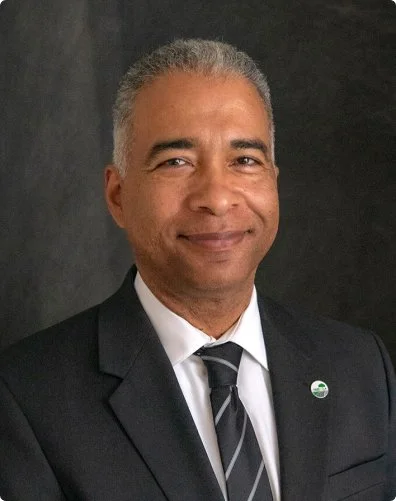
Official profile photo of Keith Mozee as of January 2026. Image source is the official “About Us” page from the public website of the Bureau of Street Services. The lapel pin on Keith’s jacket shows the official brand logo of the bureau.
INTRODUCTION
What follows is a consolidated misconduct profile of a Los Angeles city government official who holds the title of Executive Director and General Manager of the Bureau of Street Services (BSS) named Keith Mozee. Each incident documented herein is supported by lawfully obtained public records, court filings, correspondence, or sworn testimony. This profile is a living record. As additional documents are obtained, corroborated, and verified, they will be appended to this same profile so that the public, journalists, attorneys, and oversight bodies may evaluate the full scope of conduct in a single, continuously updated repository. Individually, any one of these incidents might be dismissed as a discretionary judgment call. Taken together, they reveal something far more serious: a sustained and deliberate abuse of power used to suppress We The People’s fundamental constitutional rights with the outcome being silencing speech that criticizes government, shields favored political interests, and greases palms for corrupt dealings.
BACKGROUND
The quote below comes directly from the Bureau of Street Services public website and it explains the authority and structure of the agency:
“The Bureau of Street Services, known as StreetsLA, is one of the five bureaus in the City of Los Angeles Department of Public Works. Led by Executive Director and General Manager Keith Mozee, we are responsible for preserving, protecting, maintaining, and renewing the City’s street network and urban forest, including roads, sidewalks, bikeways, trees, and medians. The mission of StreetsLA is to enhance the quality of life for all, and our 5-year Strategic Plan is focused on providing the best-in-class, most transparent, fully engaged, and equity-focused services – all with an eye toward helping achieve a healthier, more sustainable City of Los Angeles.”
The quote below comes directly from the Department of Public Works public website and it explains the authority and structure of the agency:
“The Los Angeles city Department of Public Works is responsible for the design, construction, renovation and operation of public projects ranging from bridges to wastewater treatment plants and libraries; curbside collection and graffiti removal; and maintenance of streets, sidewalks, sewers, streetlights and street trees. The Department is governed by the Board of Public Works (BPW), a five-member full-time executive team that is committed to delivering projects and programs that enhance quality of life, economic growth, public health and the environment to all Angelenos.”
The organizational chart below shows the hierarchical structure of how these agencies are related to each other and the city at large. The key takeaway is that these agencies only have authority for the city of Los Angeles, which is the main subject of this article. For projects spanning multiple cities, authority falls to the County of Los Angeles Department of Public Works. The city has a separate agency overseeing water and power utilities known as the Los Angeles Department of Water and Power (LADWP). This department is separate from the city Department of Public Works and does not report to the Board of Public Works. There is a separate misconduct profile for known misconduct of government officials who lead the LADWP that you can view at a later time by clicking here once it is available.
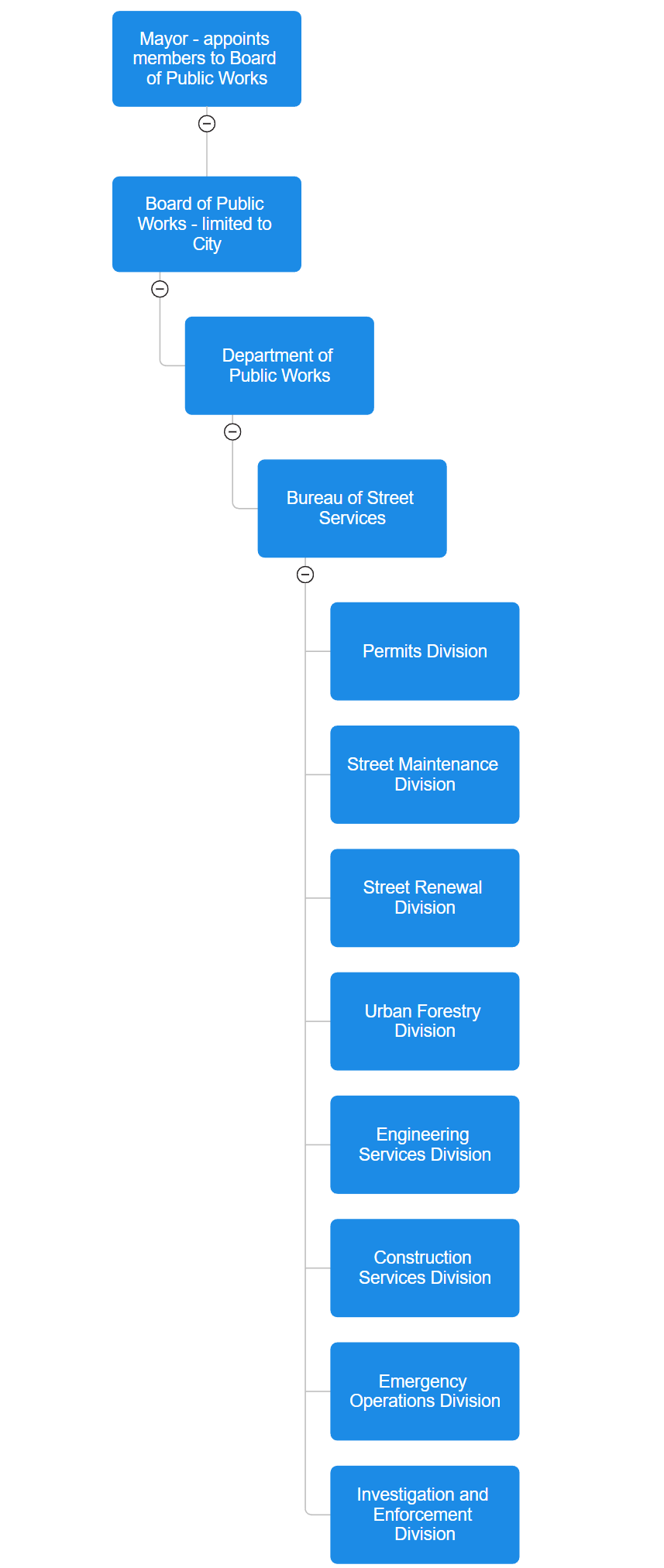
Organizational chart showing the hierarchical relationship of the Los Angeles Mayor, the Board of Public Works, the Department of Public Works, and the Bureau of Street Services. The Mayor appoints members to the Board of Public Works as well as executive leadership at the Department of Public Works. The executive leadership at the Department of Public Works then hires staff for the rest of the department. The Mayor also appoints the Executive Director to the Bureau of Street Services, who then hires staff for the rest of the bureau.
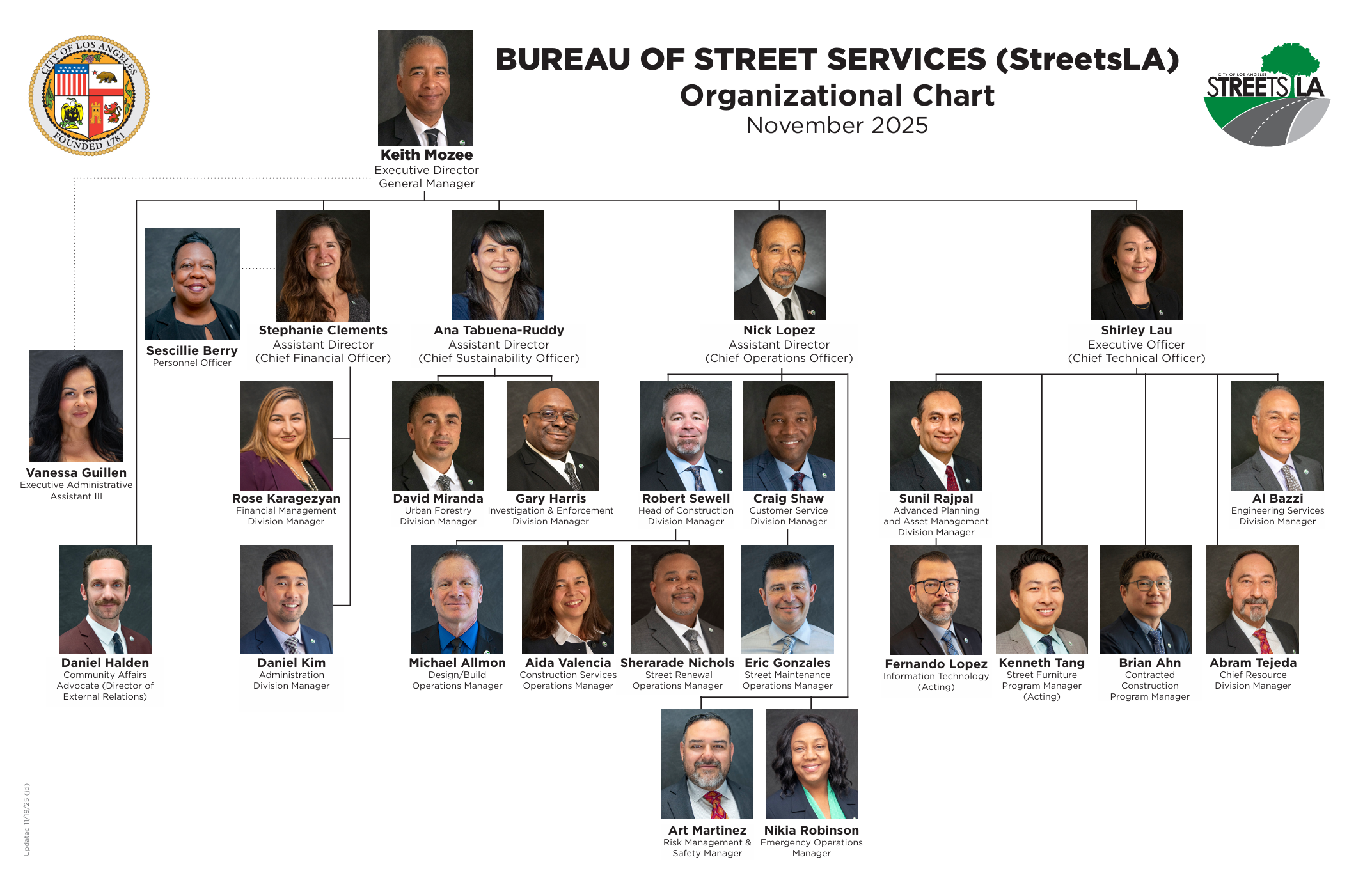
Organizational chart of the leadership comprising the Los Angeles Bureau of Street Services. This chart is accurate as of November 2025. This file is available in PDF format by clicking here. This chart comes from the bureau’s public “About Us” page.
MISCONDUCT 1 - POLITICAL FAVORS FOR RELIGIOUS GROUP TO SUPPRESS FIRST AMENDMENT
Los Angeles municipal law establishes a mandatory, multi-step vetting process before any special events permit may be granted. These requirements are not discretionary. They exist precisely to prevent favoritism, abuse of power, and unconstitutional suppression of public rights on public streets. Los Angeles Municipal Code § 41.20(b) explicitly requires that the Bureau of Street Services notify the appropriate Neighborhood Council immediately upon submission of a special events permit application, not after the fact and not as a courtesy. The plain language of the law states:
“The Bureau of Street Services shall establish notification procedures to immediately notify the respective Council office, as well as… the appropriate Neighborhood Council, if any… whenever a Special Event Permit application is submitted to the Bureau for processing.”
Alternatively, you can follow the link below.
The law is also available in PDF format by clicking the link below
Notification alone is insufficient. Los Angeles Municipal Code § 41.20(d)(2)(M) further requires that the Bureau solicit and consider comments and input from Neighborhood Councils and Business Improvement Districts in the areas impacted by the event:
“Comments and other input from Neighborhood Councils and BIDs in the areas impacted by the event.”
This requirement exists to ensure transparency, local accountability, and protection of public rights. It applies regardless of whether the applicant is a corporation, a private individual, or a religious organization.
Scientology Street Closures and the Suppression of Protected Speech
Beginning in late October and early November 2023, peaceful public protests against Scientology emerged in Los Angeles and rapidly went viral worldwide. These protests were extensively documented on social media in video format. One of the primary locations of these protests was Scientology’s blue building campus located at 4810 West Sunset Blvd, Los Angeles, CA 90027. Scientology has long been documented as unlawfully obtaining special events permits to close the public street adjacent to this campus known as L Ron Hubbard Way. One of the many local city news agencies reporting on this issue was LAist in 2008, citing complaints from neighborhood residents about the street being closed nearly every weekend.
These special events permits were wielded as a weapon. The intended outcome was the suppression of protected First Amendment speech against Scientology and against the city government for enabling the closures. Protesters were physically prevented from accessing a public street, and Scientology used the existence—or mere assertion—of permits as justification to call law enforcement against demonstrators.
Removal of Public Permit Records and Information Suppression
During this same period, the Bureau of Street Services removed publicly available information pertaining to special events permits from its website. Historically, the Bureau maintained an online public webpage allowing anyone to view prior, current, and upcoming events on a monthly basis. Prior to June 2024, this page displayed not only summary information but also copies of the permits themselves. This practice had existed for nearly the entire lifespan of the Bureau. A screenshot of this view taken directly from the bureau’s website is shown below. By removing these records, the Bureau eliminated the public’s ability to independently verify whether a street closure was lawful, where it applied, how long it lasted, and who it benefited. This directly undermined the legal requirement that the public be able to confirm the existence and scope of any restriction on public access to public streets. .
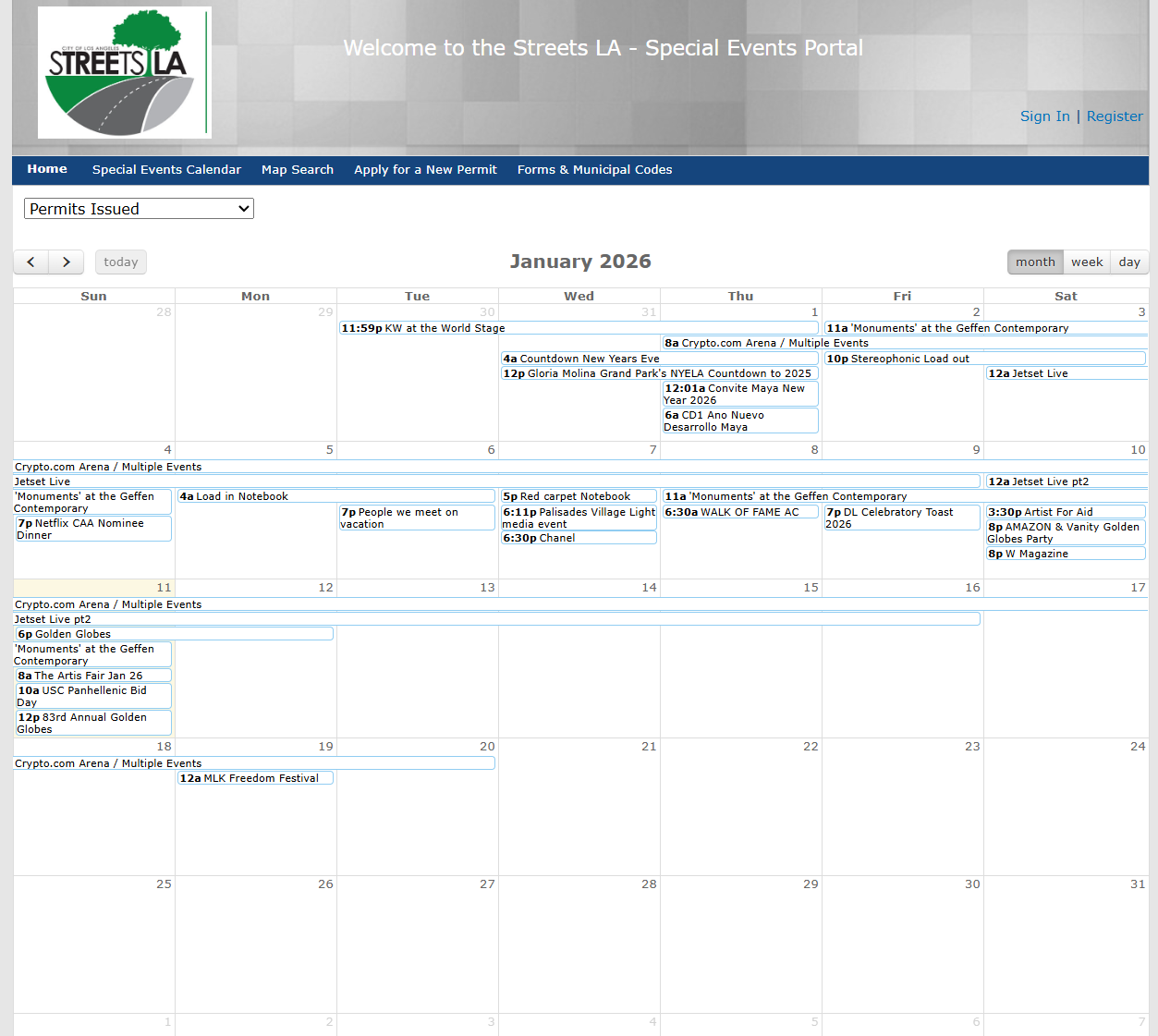
Screenshot of the publicly accessible Special Events Monthly Permit Calendar published by the Bureau of Street Services for the month of January 2026. This public calendar is routinely updated and monitored by the Bureau of Street Services. A copy of this image is available in PDF format to download by clicking here. Only the executive leadership of the Bureau of Street Services has the authority and ability to change information published on this page. You can view the calendar online by clicking here.
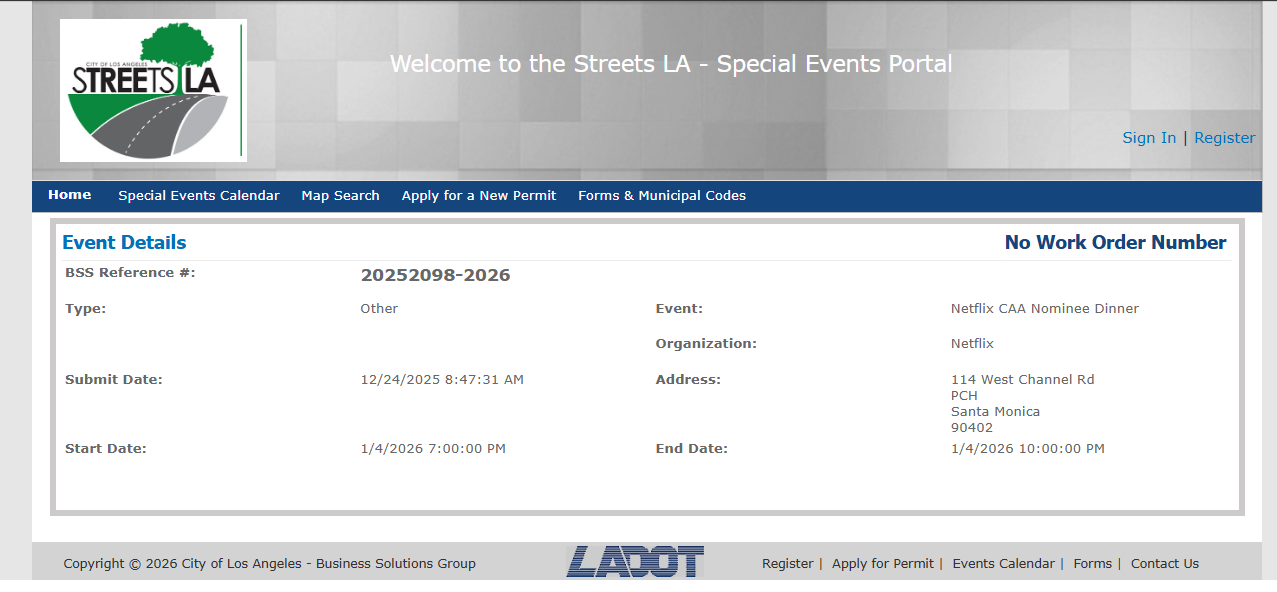
Screenshot of a randomly selected special events permit for the month of January 2026. This summary view used to also show a weblink directly to the special event permit itself, along with other summary details taken directly from the permit. The public is now limited to this current view, which does not show the conditions and particulars of what the permit restricts and allows. This image can be downloaded in PDF format by clicking here.
Intent to Vacate Public Street For Private Religious Use
Public records and sources revealed a more nefarious motive underlying Scientology’s repeated permit applications. Scientology intends to use the historical granting of special events permits as a justification for the City of Los Angeles to vacate L Ron Hubbard Way and transfer it for private use. The goal being to create a false narrative of justification to turn over L Ron Hubbard Way for private use by pointing to the countless number of special events permits granted for events. The name of the law firm being used by Scientology in this quest is Armbruster Goldsmith & Delvac LLP. The lawyer representing them from the firm is William F. Delvac, who was chosen to instigate the blockade of the public right of way all around Fountain Avenue, North Catalina Street, and L Ron Hubbard Way via the thousand pound planter boxes. At the time of this writing, Scientology fired William Delvac and returned to using the captive counsel of Kendrick Moxon, the father of Stacy Moxon, whose death we previously reported on by clicking here. This tactic mirrors prior conduct when Berendo Street was renamed to L Ron Hubbard Way. At that time, city engineers raised concerns about severe negative traffic impacts, given the street’s parallel position to West Sunset Blvd and Fountain Avenue. Despite these concerns, the public record was flooded with testimony from Scientologists whose identities and addresses were not verified. This practice is particularly significant given Scientology’s documented internal identification systems, including issuing its own birth records, names, and photos. The blue building location is known as a major birthing location for Scientologists, further complicating verification.
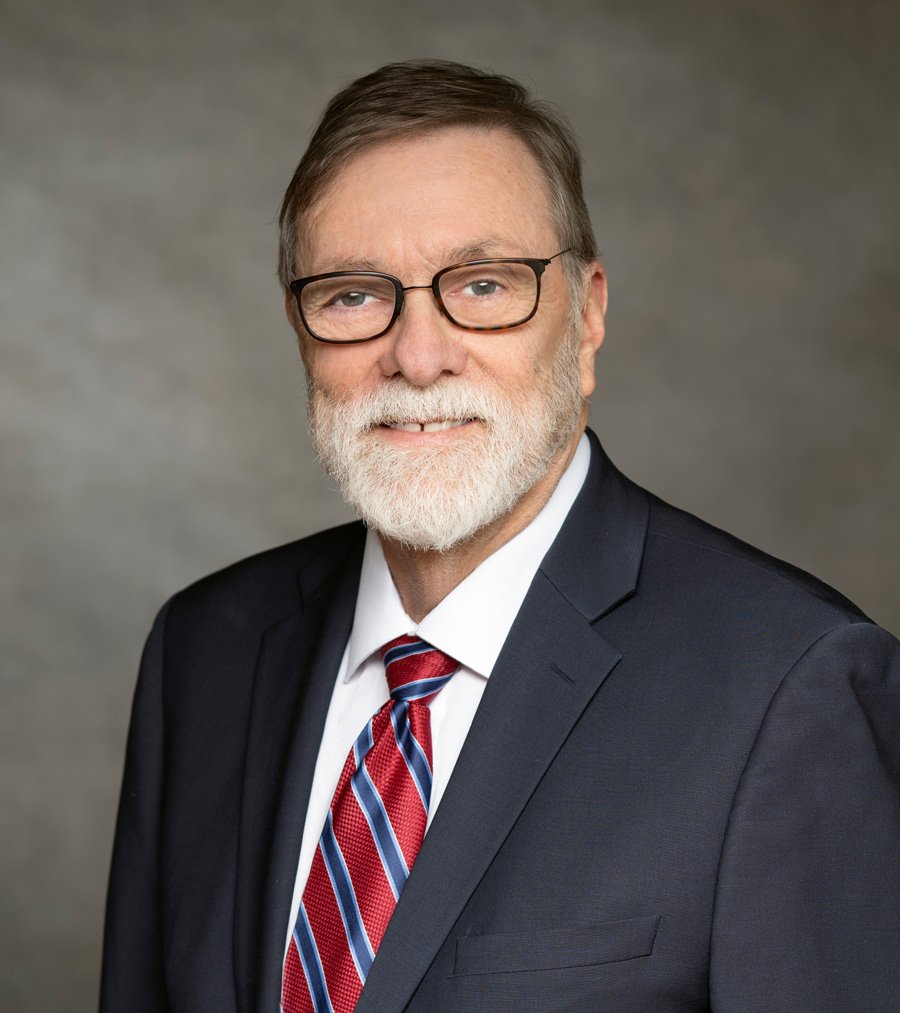
Profile photo of lawyer William Delvac of Armbruster Goldsmith & Delvac LLP. Source of photo comes directly from the publicly available image on the Armbruster Goldsmith & Delvac LLP “Our People” page.
Failure to Conduct Mandatory Neighborhood and BID Vetting
The City of Los Angeles failed to conduct the legally required vetting process before granting permits. Neighborhood Councils and Business Improvement Districts (BID) were not properly notified, nor were their comments solicited, reviewed, or incorporated. This failure is not procedural trivia. BIDs are quasi-public entities empowered to levy mandatory assessments on property owners to fund public services within defined geographic areas. Their statutory role exists precisely to ensure that local stakeholders have a voice when public infrastructure is restricted or repurposed. The city nevertheless granted Scientology endless permits in an unlawful manner, fully aware that the foreseeable outcome would be suppression of protesters’ First Amendment rights. The consequences were tangible. Protest activity declined. Protesters were threatened with arrest. Law enforcement repeatedly asserted that permits existed while refusing to provide proof when challenged.
Police Harass The Public Using Unverifiable Permits
This pattern culminated in incidents such as the June 16, 2024 event involving Northeast LAPD officers responding to North Catalina Street. Protesters were harassed and threatened based on the assertion that a permit existed, yet no documentation was produced. In fact, one such person that the LAPD harassed using threats of arrest and the Los Angeles City Attorney Hydee Feldstein Soto vindictively prosecuted for political favors was Enri Marini. This article can be found by clicking here and this corruption by Keith Mozee is inextricably connected to this issue of unlawful permits. Mere assertion by a private party or by police does not satisfy legal requirements. Without publicly accessible permits, innocent members of the public risk criminal liability simply for passing through an area claimed to be restricted.
Confirmation of Executive Control Over Website Content
Public records requests to the Los Angeles Information Technology Agency (ITA) confirmed a critical fact. Although ITA provides the infrastructure hosting departmental websites, it does not control what information is published. The ITA stated that executive leadership within each department retains full authority over what content is made public or removed. ITA merely enables publication by abstracting away technical barriers. This means the decision to remove special events permits from public view was made at the executive level of the Bureau of Street Services.
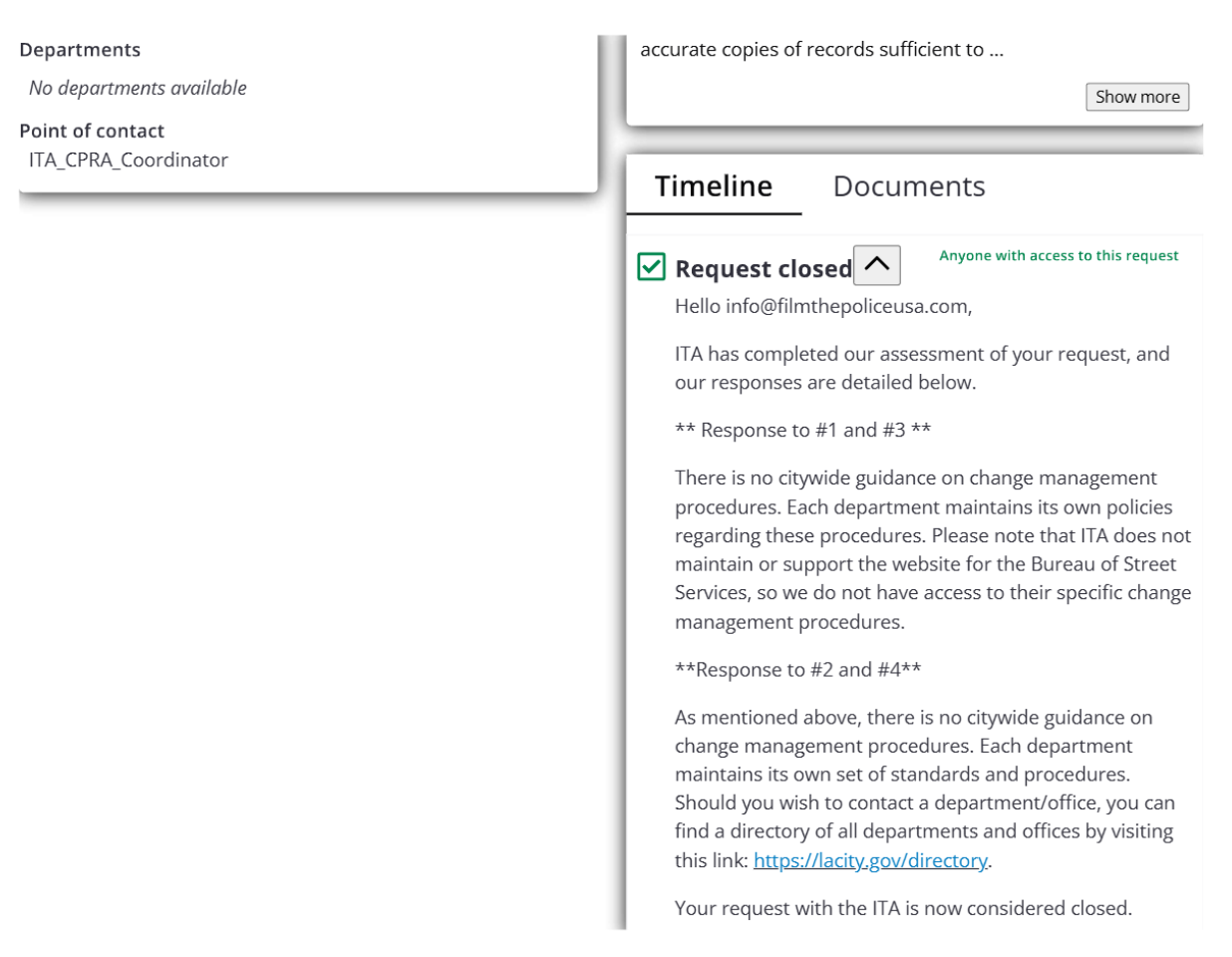
Screenshot of public records request submitted to the Los Angeles Information Technology Agency (ITA) demanding information on who has the ability and authority to publish and/or delete information from a department’s public website. ITA confirmed that only a department’s executive leadership has the ability and authority to make changes to their unit’s public website. This public records request to the ITA on website change management policies can be downloaded in PDF format by clicking here.
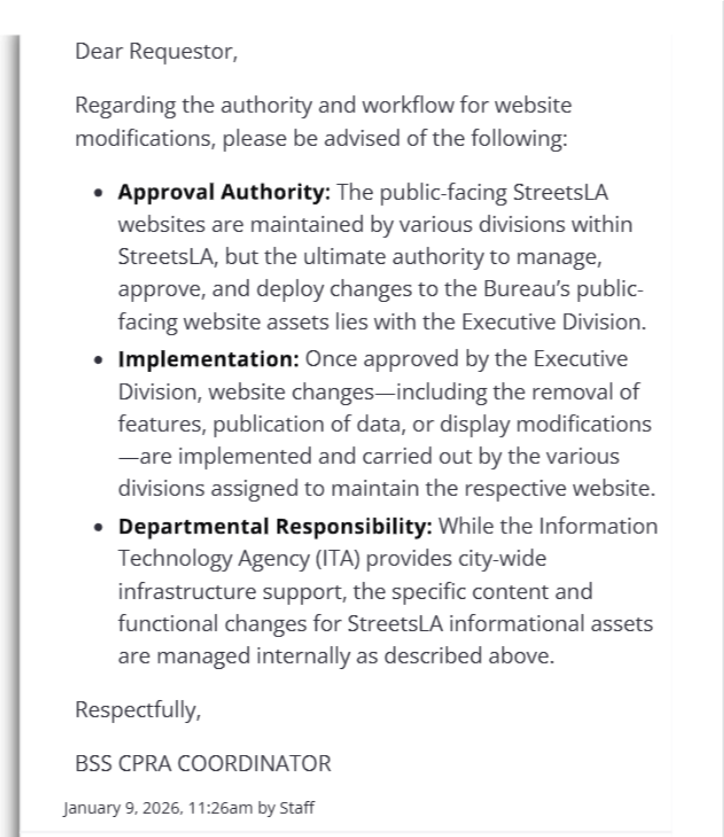
Screenshot of public records request submitted to the Los Angeles Bureau of Street Services Public Records Unit demanding information on the agency’s public website change management policies. This public records request regarding the bureau’s change management policies can be downloaded in PDF format by clicking here. The bureau confirms suspicions that, at minimum, Keith Mozee and the entire executive team at the bureau are directly implicated in taking down the public information on special events permits from the website.
Constitutional Implications and Establishment Clause Violations
The suppression of speech, preferential treatment of a religious organization, and removal of public verification mechanisms collectively constitute a violation of the Establishment Clause of the First Amendment. The City of Los Angeles acted as the gatekeeper and enabler of unconstitutional conduct. This pattern extended beyond street closures. Scientology also maintained a religious recruiting computer kiosk inside the Hollywood LAPD station lobby for a prolonged period, in direct view of the public.
Incentives and Motive
At a minimum, the Executive Director of the Bureau of Street Services is directly implicated. Sources have confirmed that Keith Mozee has family who are involved in Scientology. From documented patterns involving other government officials, incentives often include access to social power networks, preferential treatment, discounts, and private “auditing” services. Auditing, claimed by Scientology to be religious, has been documented by numerous former members—including but not limited to Mirriam Francis, Nora Ames, Serge Del Mar, and Lara Anderson—as abusive in nature. This is the reality facing the City of Los Angeles. The city is responsible for vetting permits. Every permit issued under false pretenses constitutes a separate constitutional violation carried out in preferential service to a religious organization, with the foreseeable and intended result of suppressing protected speech.
Conclusion
Taken as a whole, the documented conduct reflects a sustained misuse of municipal authority to benefit a favored religious organization at the expense of transparency, lawful process, and the public’s constitutional rights. The removal of public permit records, the failure to follow mandatory vetting procedures, and the repeated granting of unlawful street closures were not isolated errors but part of a consistent pattern with predictable outcomes: suppression of protected speech and preferential treatment under color of law. Responsibility ultimately rests with city leadership charged with enforcing these safeguards. Absent accountability and corrective action, these violations continue to undermine public trust and the rule of law in Los Angeles.
Newsletter
Subscribe to our newsletter by entering your email below to get the latest article as soon as it publishes.